


Let her dream: Tracking girls’ dream rates in sport
Our research that tracks how girl's dream rates have changed over the years, and what percentage of girls dream of reaching the top of sport compared to boys.
Published
Women in Sport is calling for urgent action to ensure girls are given the same chance as boys to dream of reaching the top of sport.
New research from the charity, released today, shows just 23% of girls aged 13-24 now dream of reaching the top in sport – a dramatic drop from 38% in 2024, marking the lowest level recorded by the charity since tracking began in 2020. In the latest edition of the Let her Dream report, the gender dream gap is now at its widest in five years. Girls and young women who ‘love sport’ have been most affected, with dream rates falling by 35%.
The responses reflect persistent gender stereotypes, lack of grassroots opportunities specifically designed for girls and the new visibility of the abuse routinely faced by women and girls in sport.
Girls and young women are continually surrounded by messages that their sport is less valued. Almost half (45%) of girls say that ‘people think sport is for boys and doesn’t matter for girls’, compared to just 5% of boys feeling the opposite is true. Boys and young men rarely question whether sport is ‘for them’, while girls are repeatedly made to feel like outsiders. Four in ten girls say they’re not expected to excel in sport compared to one in ten boys.

As the visibility of women’s sport increases, girls’ awareness of inequality is sharpening:
Boys have a different take:
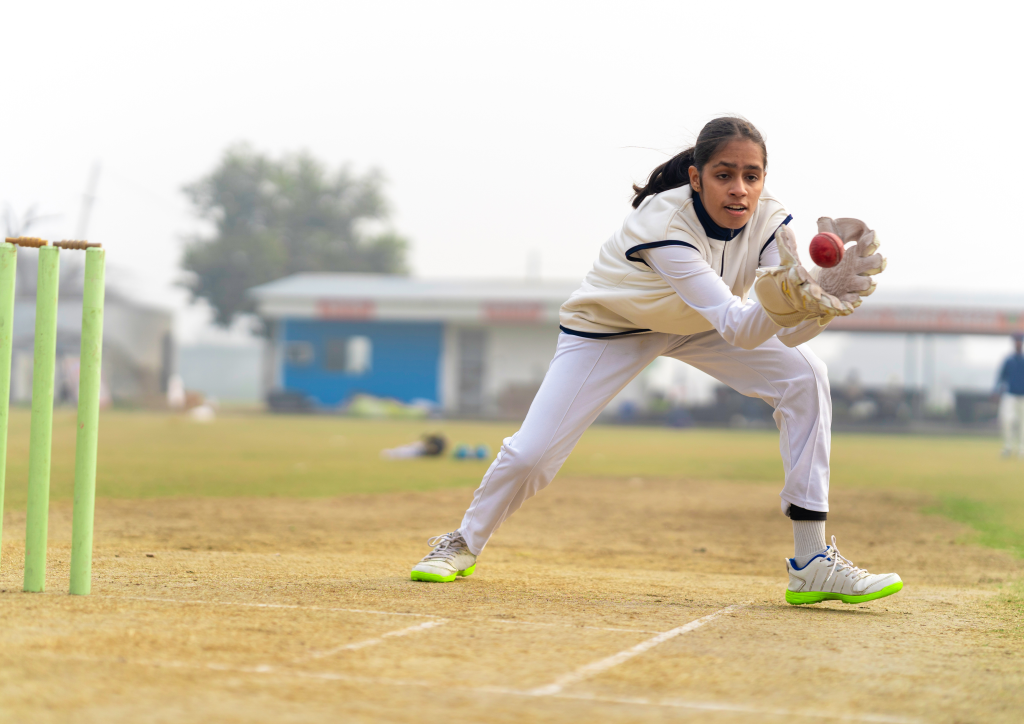
Structural and cultural barriers continue to limit aspirations. Significantly more girls than boys say they are not given enough support to reach the top of sport (41%), there’s not enough funding for girls sport (35%) and 27% of girls believe women who reach the top of sport don’t earn enough to live off.
To reverse the decline in girls’ sporting dreams Women in Sport is calling for greater investment in girls-only team sport during and after school and at grassroots clubs, so girls get a fair share of the ball and feel emotionally and physically safe to play at their best. Across every sport, these opportunities must be supported by stronger female representation and leadership to meet girls’ needs and aspirations, alongside sustained media visibility that challenges stereotypes and turns inspiration into access.
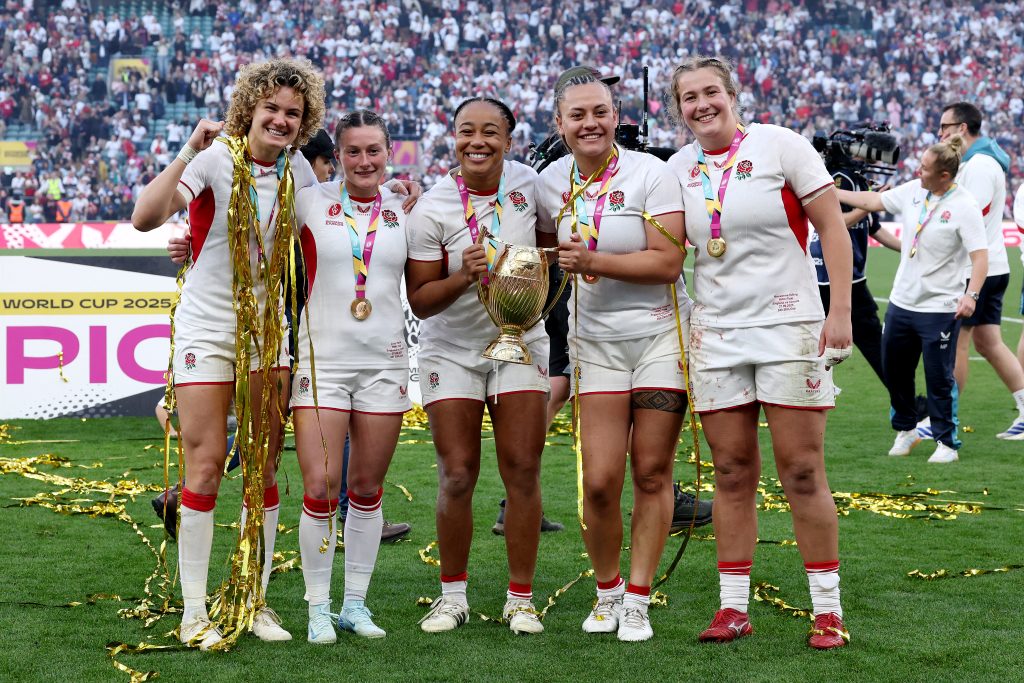
2025 saw unprecedented visibility of women’s sport, which included women’s tennis returning to Queen’s Club after 52 years, the Lionesses’ exhilarating journey to a second European victory and the Red Roses Women’s Rugby World Cup 2025 win on home soil, in front of a record 81,885 fans. Against this backdrop, the increase in the dream deficit is particularly disappointing.
The research shows that these major women’s sporting moments continue to inspire. To understand this impact in more depth, the study explored young peoples’ responses to women’s rugby. Women’s Rugby World Cup 2025 left nine in ten girls and young women feeling proud with the same number believing that girls and women can achieve anything in sport, a view shared by three quarters of boys and young men. The impact went beyond emotion, with girls reporting being more motivated to get active (74%) and in a powerful challenge to gender stereotypes, six in ten girls (64%) said the tournament made them more likely to try rugby. 80% of girls were frustrated that women’s rugby isn’t shown more often.

Women in Sport believes that providing more girls-only opportunities at younger ages and across all sports is essential to equalising aspirations. We know from our previous research that this is vital to support girls’ enjoyment and long-term participation. In this survey, girls and young women were more likely than boys to say that single-sex rugby helps them feel confident (83% vs 59%), perform better (76% vs 57%), and worry less about being judged (74% vs 50%). Both boys and girls overwhelmingly agree that single-sex opportunities are important primarily due to biological differences affecting fairness and risk of physical injury (rugby governing bodies have shown real leadership in ensuring that after the age of 12 the sexes are separated).
We must act now, or girls' dreams will slip further out of reach.Stephanie Hilborne OBE, Women in Sport CEO
Stephanie Hilborne OBE, CEO of Women in Sport, said: “At a time of political and economic division, when progress towards equality is facing a backlash and times are hard for many people, it is perhaps understandable that boys and girls dream rates might have dipped. But what we didn’t expect was for the gap between girls and boys to widen in this way, and for girls dream rates to have plummeted. It’s really gutting, especially as the Lionesses and Red Roses couldn’t have done more to inspire the nation last summer.
The new visibility of women’s elite team sport is real progress, and the Red Roses were smashing stereotypes on the pitch, but girls are also seeing the abuse and inequality these great sportswomen suffer. Still in 2026, girls and young women are living their lives surrounded by powerful forces of gender injustice and stubborn stereotyping around sport. Every girl should be able to dream of reaching the top of sport just as boys do and we must act now, or those dreams will slip further out of reach.”
Our research that tracks how girl's dream rates have changed over the years, and what percentage of girls dream of reaching the top of sport compared to boys.

Racism, misogyny and rigid structures and cultures are pushing away some of the most passionate potential sportswomen in the UK