The health benefits of leading an active lifestyle are widely known and researched but – until now – there has been little research into the socio-economic benefits of taking part in sport and physical activity.
This research reaffirms how playing sport can help to develop skills and qualities valuable for women’s personal progression. Sport for Success also highlights how the workplace can benefit from the increased effectiveness of female staff who play sport.
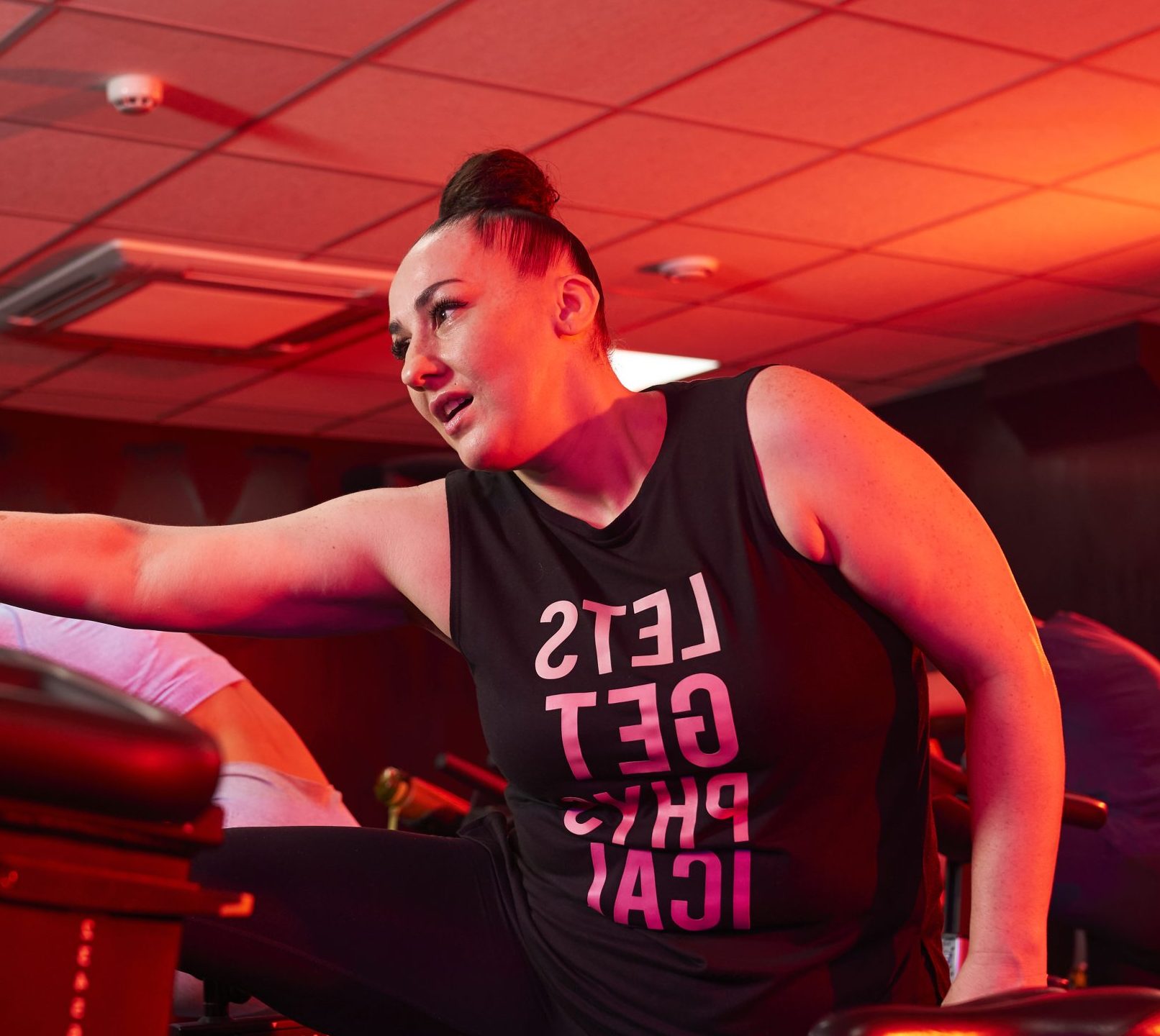
If you can give women the boost you get from having done sport, having been really successful at that, I think that can be really, really helpful.
Report contents
- Exploring being active and personal progression.
- Playing sport and skill development.
- Team working.
- Strengthening personal motivation.
- Managing stress and pressure.
- Harnessing the benefits of women playing sport at work.
Key findings
- Women who play sport have higher levels of educational qualifications and confidence.
- Women aged 16-24 who engage in sport at least once a week are significantly more likely to be in a management role than those who do not play any sport.
- Women who play regular sport are more motivated to achieve long term goals.
- Potential employers find being active an attractive trait in potential employees.
- Playing sport can help develop certain skills that can lead to successful careers:
- Growing confidence
- Self-belief
- Taking on challenges
- Integrity
- Assertiveness
- Effective communication
- Commitment to goals
Recommendations
- Make fun and social aspects the focus.
- Engage women by offering non-traditional activities.
- Reassure women on the suitability of activities.
- Use positive images and language.
- Support camaraderie and connections through social media groups.
Recommended links and resources
- The impact of Engagement in Sport on Graduate Employability. (2013). Sport Industry Research Centre. Sheffield Hallam University.
- The link between pupil health and wellbeing and attainment. (2014). Public Health England.
- Where will you find your next leader? (2015). EY & espnW.
- Women in Sport (2017). Beyond 30%: Female Leadership in Sport.
- Women in Sport (2015). Trophy Women? No More Board Games.
Help us to keep driving change
Women in Sport’s research is open to everyone.
It has been used by major brands, broadcasters, policymakers and educators to drive progress – but producing it isn’t free.
If our research has informed your work, please get in touch to let us know the impact it’s had and consider making a donation today.
48 %
of women who play sport 3+ times a week have a degree
Women in Sport
1 in 4
female senior decision makers say sport built their confidence
Women in Sport