

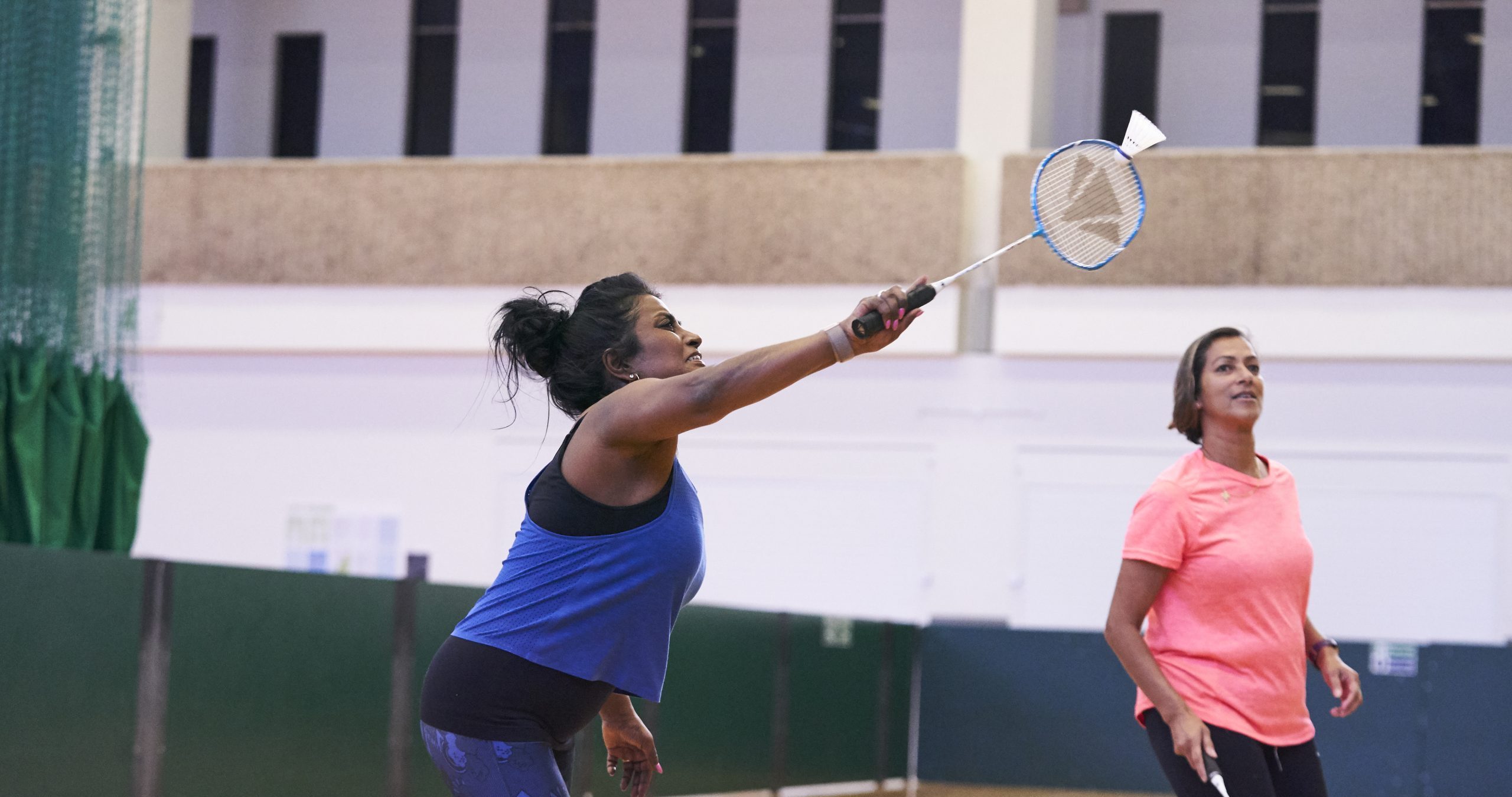
Lockdown Research – Implications for Women’s Participation
Women in Sport's research into how lockdown impacted women's exercise and activity levels.
Women in Sport's research into how lockdown impacted women's exercise and activity levels.
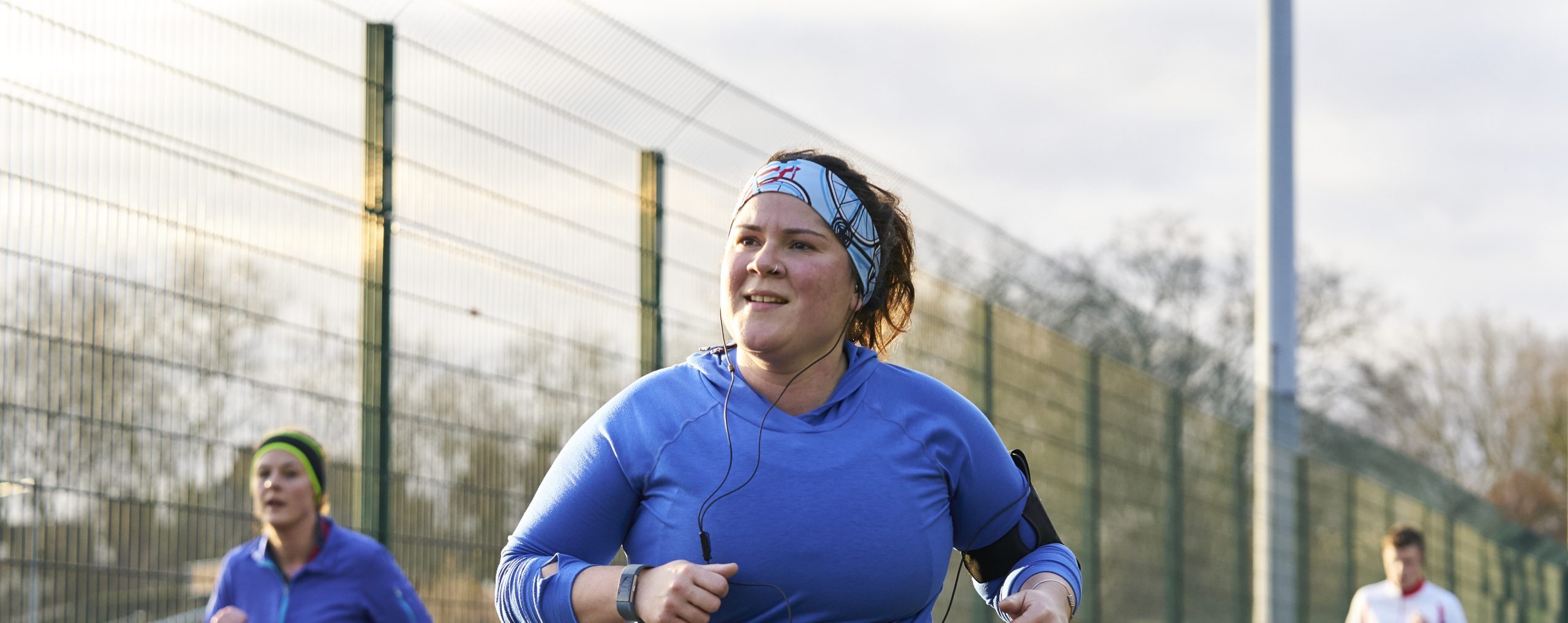
This resource brings together key insight across Women in Sport research on how to market sport and physical activity to women effectively.
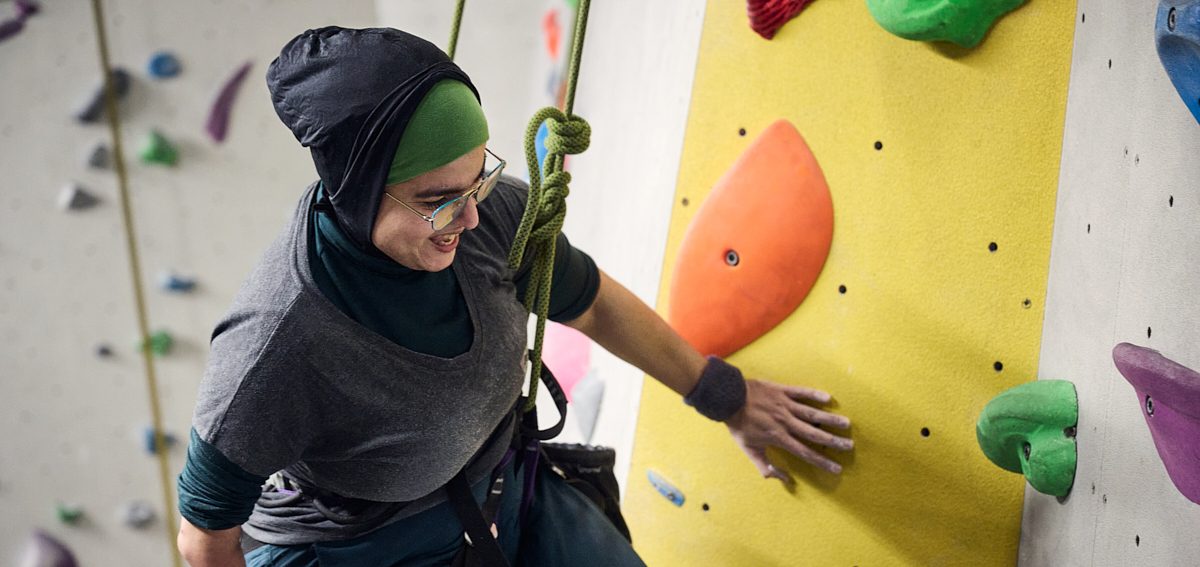
Our research to find out how we can support Muslim women and girls into exercise in a way that suits them.
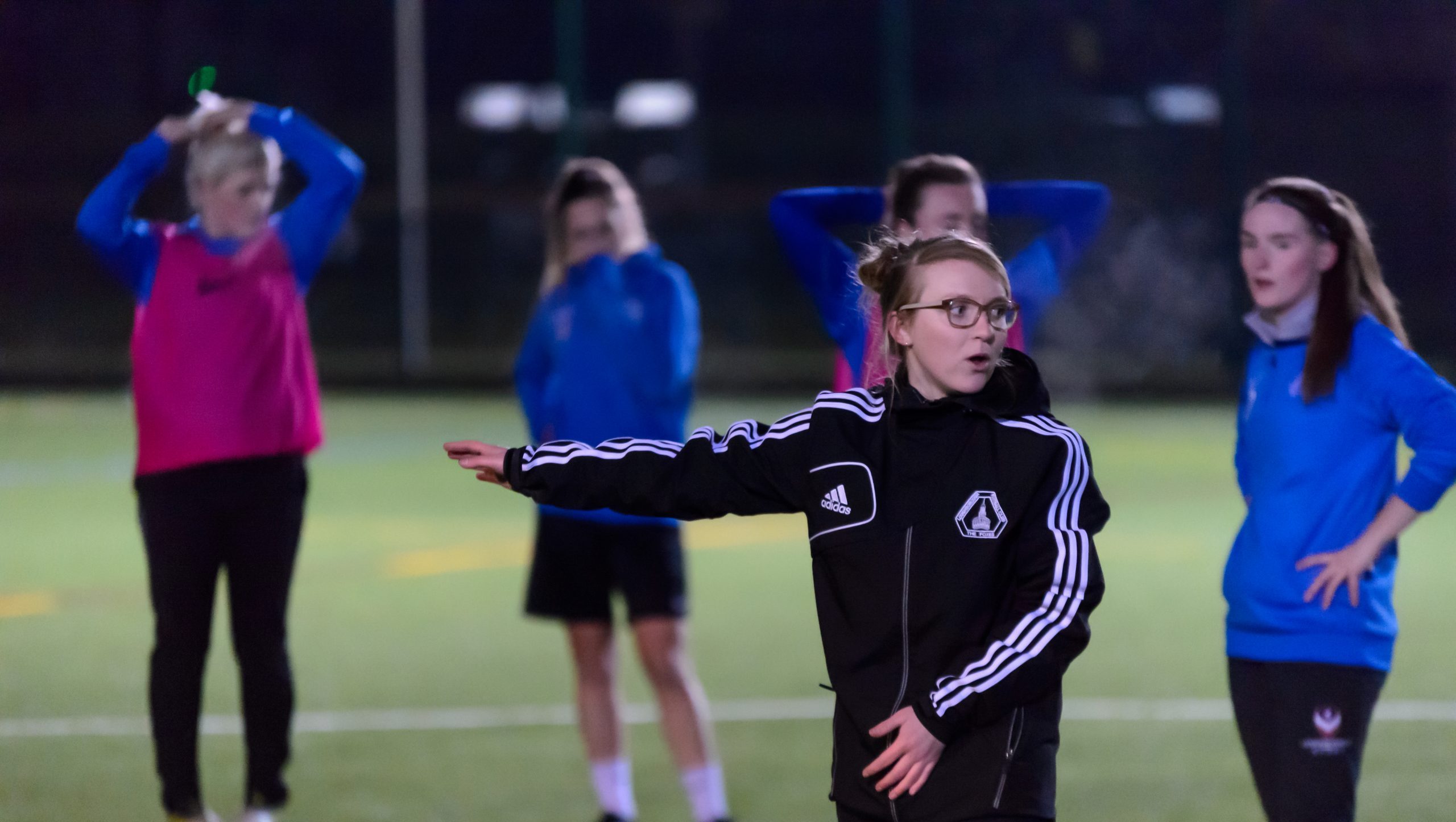
Our toolkit inspired by Get Out Get Active brings you resources, templates and key findings from the programme which is funded by Spirit of 2012.
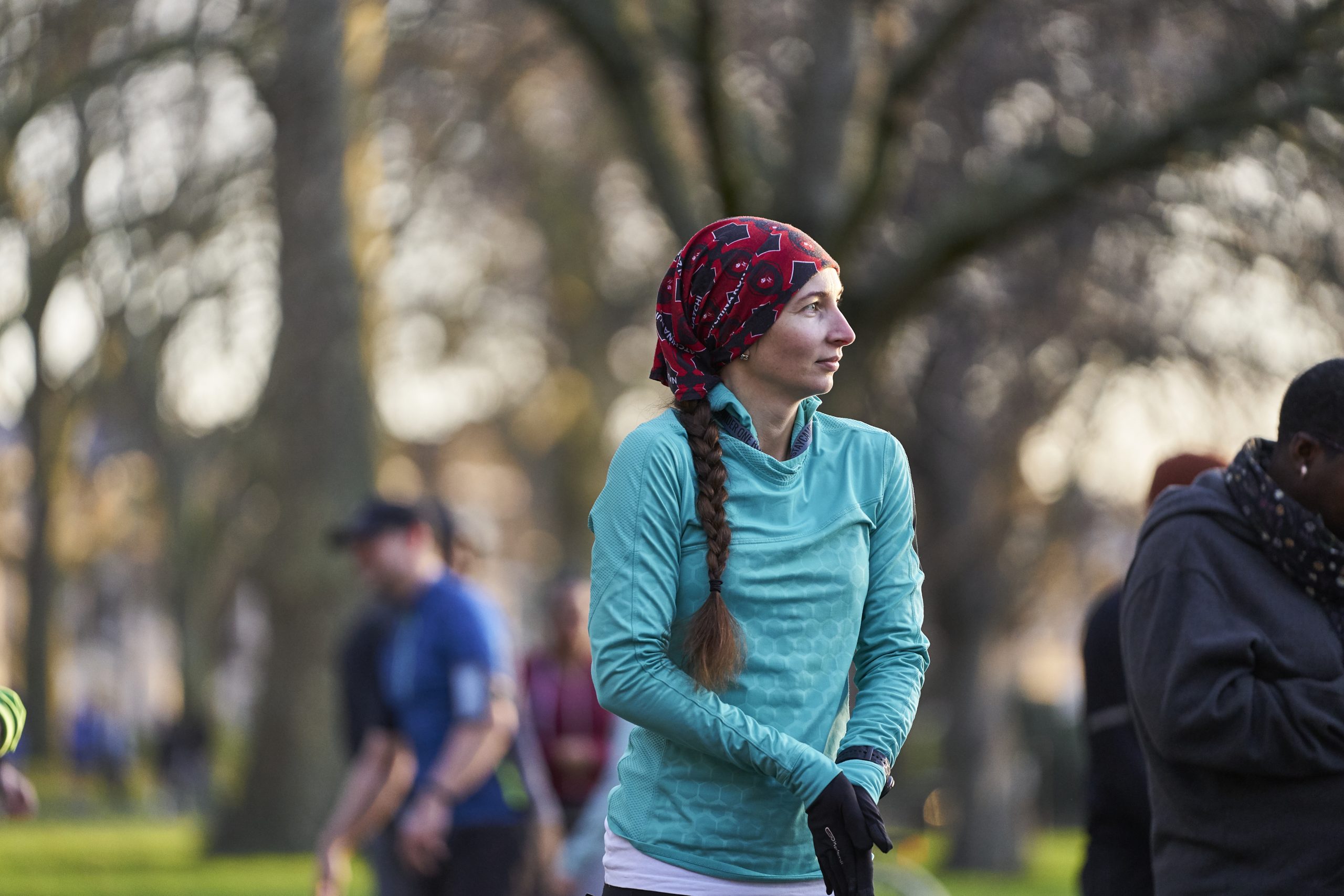
Women are less active than men, with 27% of women inactive and a further 15% fairly active but doing less than the recommended amount of physical activity.
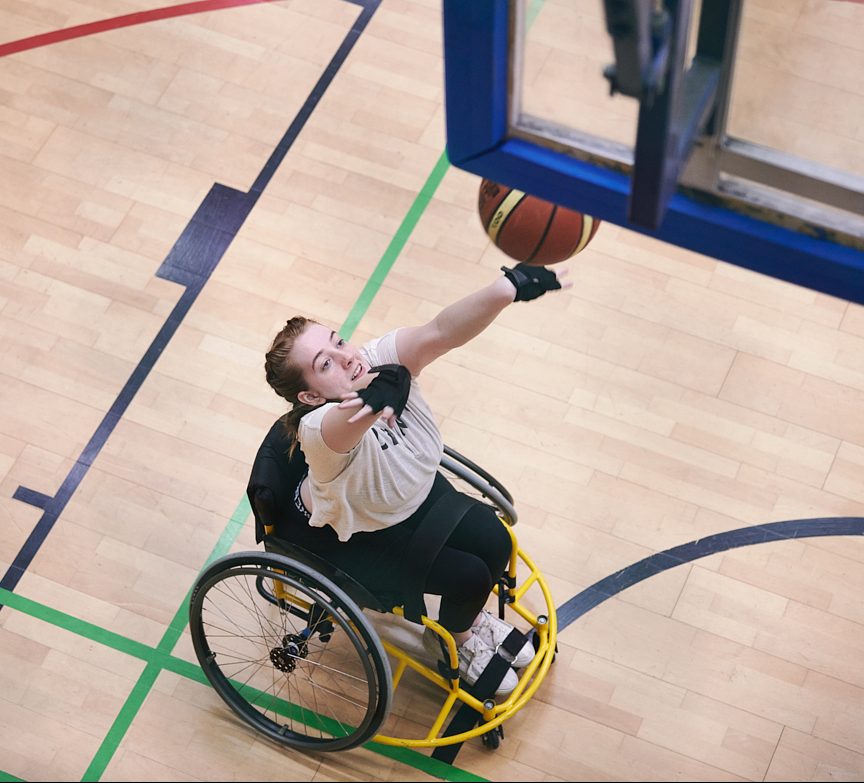
Why are women with a health condition or disability missing out on the benefits that sport and physical activity brings as they get older?
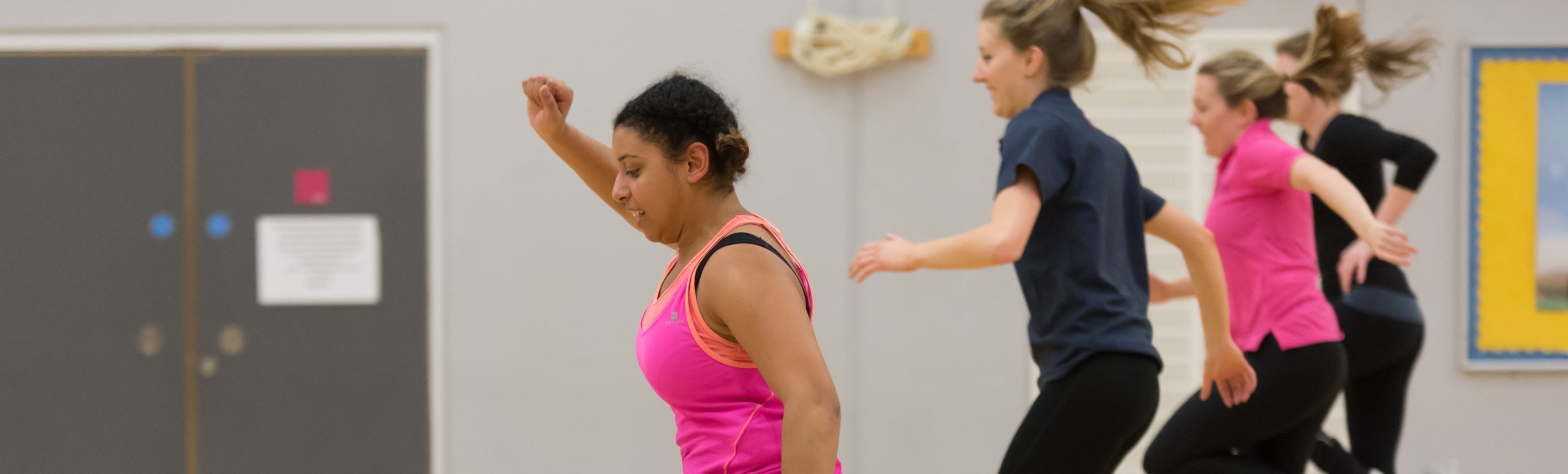
There is a significant gender gap in the participation rates of Higher Education students. Only 48.6% of female students take part in physical activity once a week compared to 64.7% of their male counter parts.
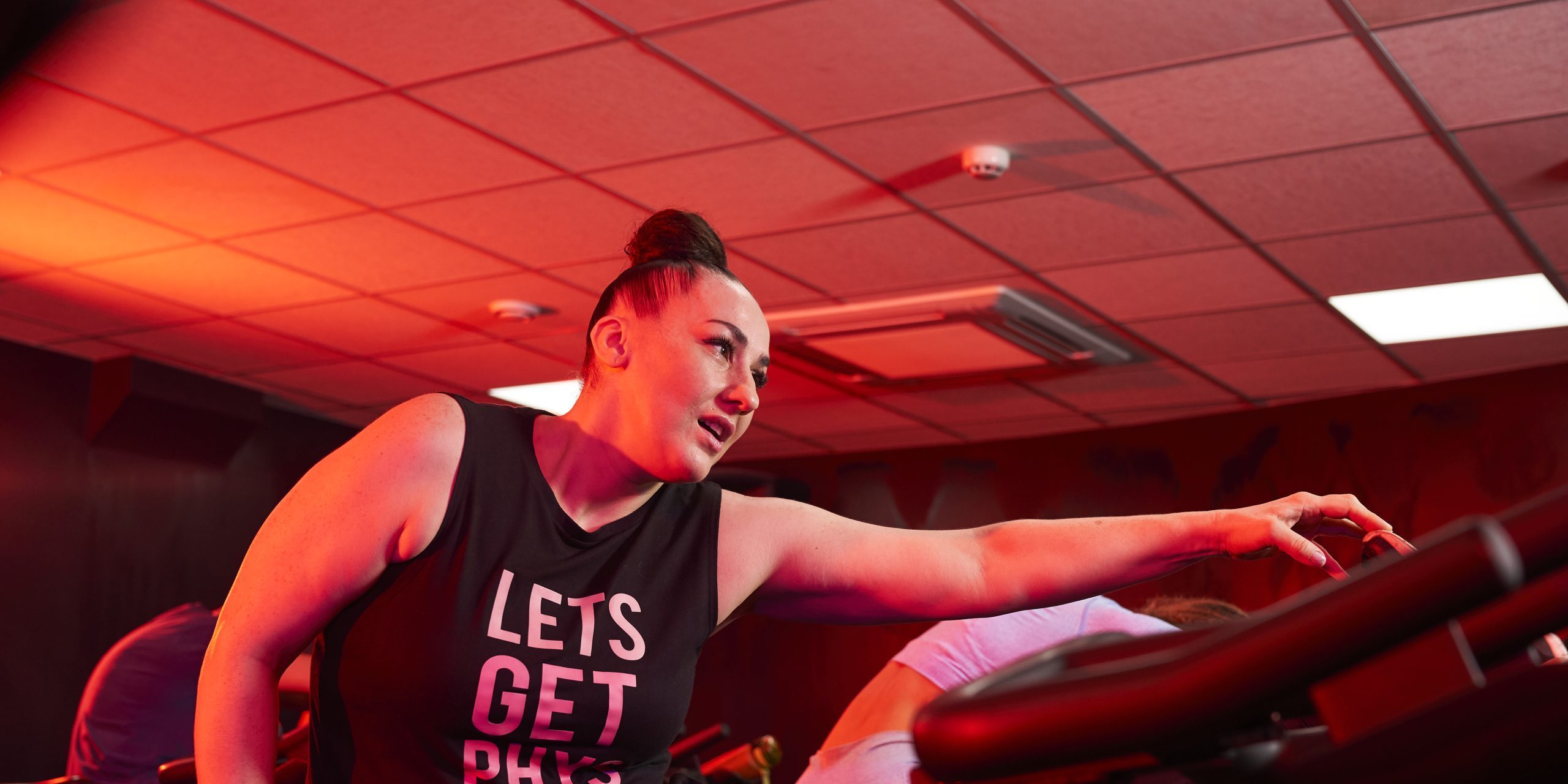
The health benefits of leading an active lifestyle are widely known and researched but – until now – there has been little research into the socio-economic benefits of taking part in sport and physical activity.
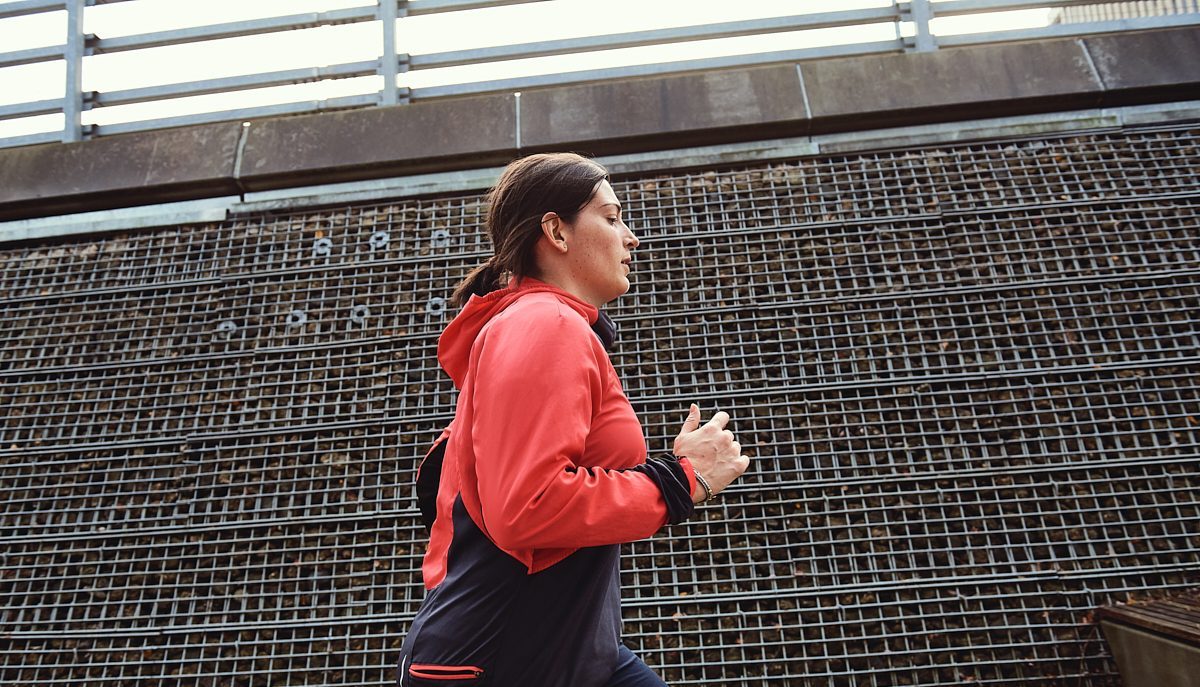
Participation in sport and physical activity declines in the colder, darker autumn and winter months. This report outlines the barriers to women taking part in sport in the winter and how to tackle autumn/winter drop-out rates.
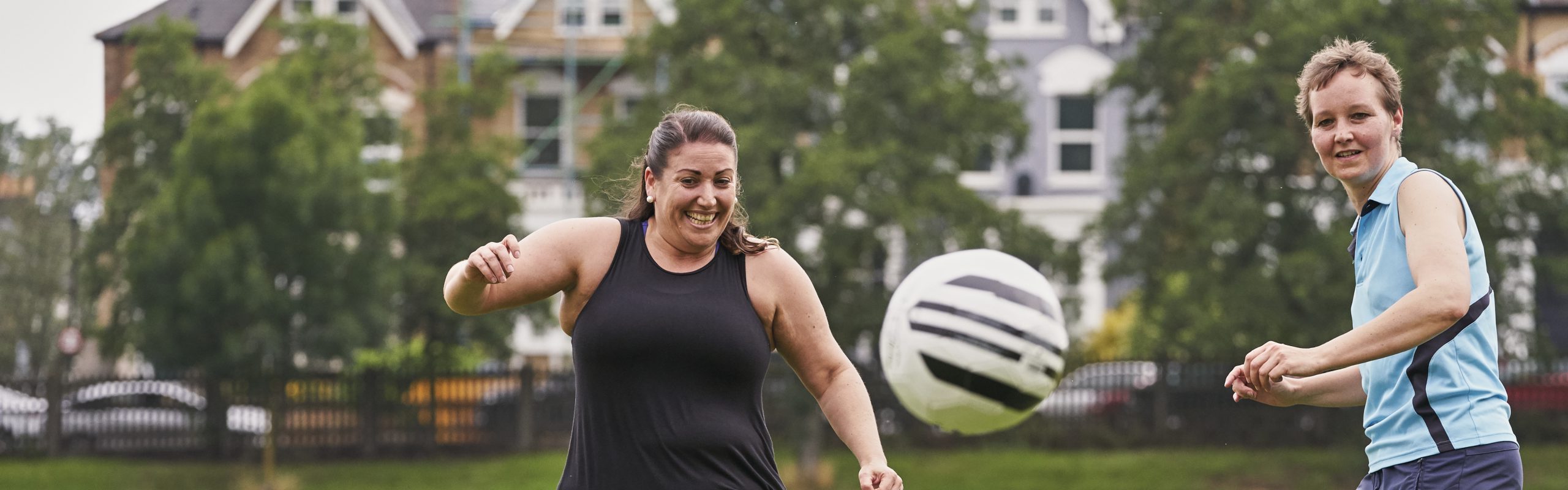
This report uses a behaviour change model to identify opportunities for sport to make better use of influence figures in order to get more women and girls participating.