‘Boys will be boys’: Creating a new generation of male allies for girls in sport

Published

Our work with women and girls has uncovered that at every life stage they face negative attitudes and discriminatory behaviours from some boys and men, whether conscious or unconscious.

From the playground to the pitch, from the workforce to the boardroom, women and girls are being excluded and it’s time for change. If we are to succeed in changing the narrative around girls in sport we need to change the narrative around boys. Because this is where it all starts.

In this research, we explore what influences the attitudes and behaviours of primary aged boys towards girls in sport. This research shows that stereotyping is still alive and kicking. Adults continue to unknowingly pass down stereotypes that can have negative consequences for both girls and boys.

“When boys are grown up they work and exercise. When girls grow up, they have to stay at home and make food.” (Primary school boy)

We discovered that ‘sportiness’ is still seen as a fundamental part of a boy’s identity from a young age. With this, boys are finding it hard to break free from the expectation that to be masculine they must be good at sport, strong and dominant.

This stereotyping not only creates a negative environment for those boys who don’t like sport, but critically it excludes girls from sport. Male dominated environments in sport, a lack of positive male role models and the invisibility of women and girls in the community and in media, further contribute to boys perceptions that girls don’t belong in sport.

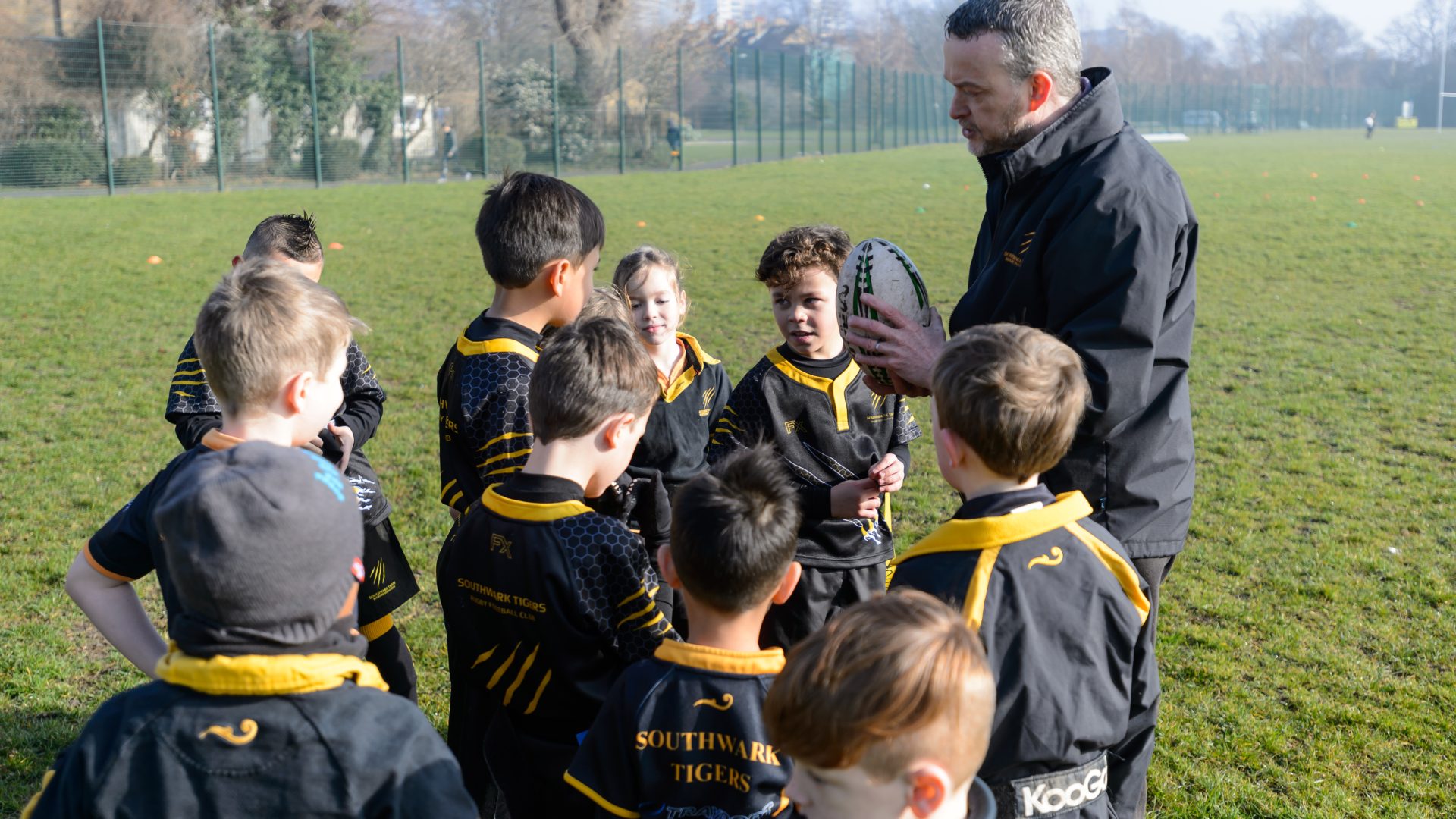
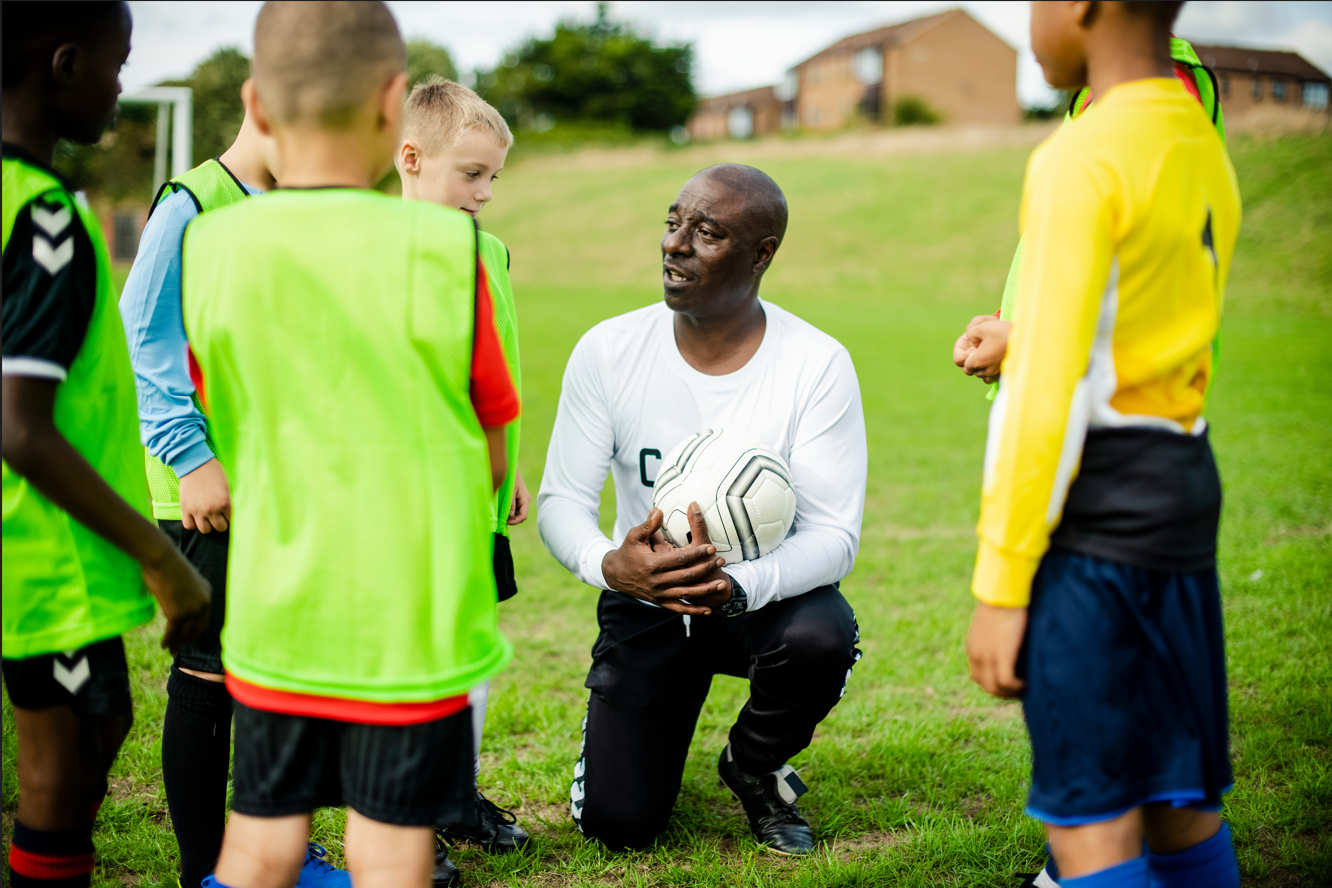
Coaching football

What influences boys’ attitudes to girls in sport?

  1. The gender stereotype of a ‘typical boy’ is reinforced by parents
  2. Sport is wrapped up with masculinity and status
  3. Sporting environments reinforce stereotypes and inequality
  4. Role models and visibility

My uncle said that I have to be 10 times better than girls.

We believe that by tackling the causes early at a young age, there is great opportunity to increase young children’s understanding, empathy and acceptance, to create a more respectful, level playing field in sport.

Recommendations

Boys, and the men they will become, can be agents of change for girls and women in sport, and in life. We must challenge limiting gender stereotypes and break down the traditional masculine culture in sport that nurtures negative attitudes and behaviours to girls and women.

Here’s how:

  1. Recognise and challenge limiting stereotypes
  2. Redefine the value of sport for boys and girls
  3. Help boys to become allies not opponents
  4. Create gender-equal sporting environments
  5. Increase the visibility of girls and women in sport

Find out more in our guides for Parents, Teachers or Coaches or by downloading the report below.

Help us to keep driving change

Women in Sport’s research is open to everyone.

It has been used by major brands, broadcasters, policymakers and educators to drive progress – but producing it isn’t free.

If our research has informed your work, please get in touch to let us know the impact it’s had and consider making a donation today.

Thank you to...

Sport England logo
Platypus logo