

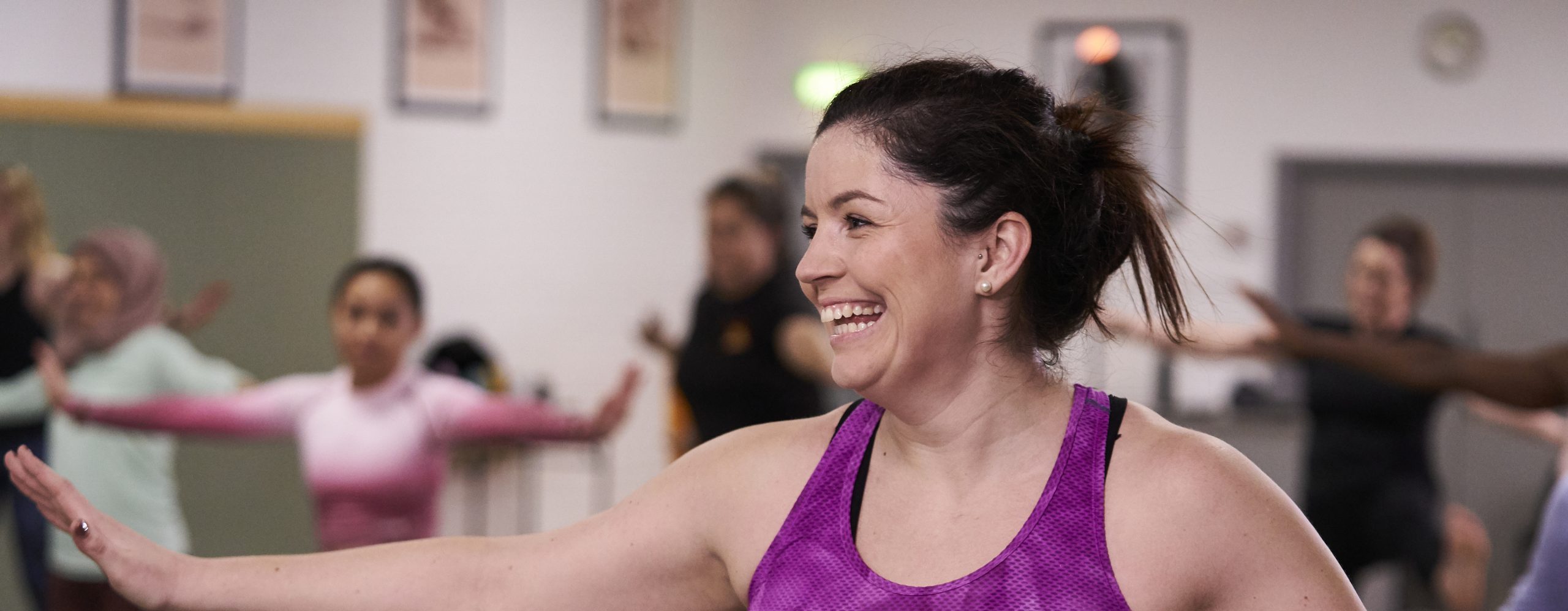
Research Report: Understanding Women’s Lives – Engaging Women in Sport
Our innovative new insight around: women’s lives in modern Britain, what’s important to them and women’s perceptions of sport versus fitness.
Our innovative new insight around: women’s lives in modern Britain, what’s important to them and women’s perceptions of sport versus fitness.

43% of 120,000 parkrunners are female, yet they are more likely to be classified as ‘reluctant runners’ than men.
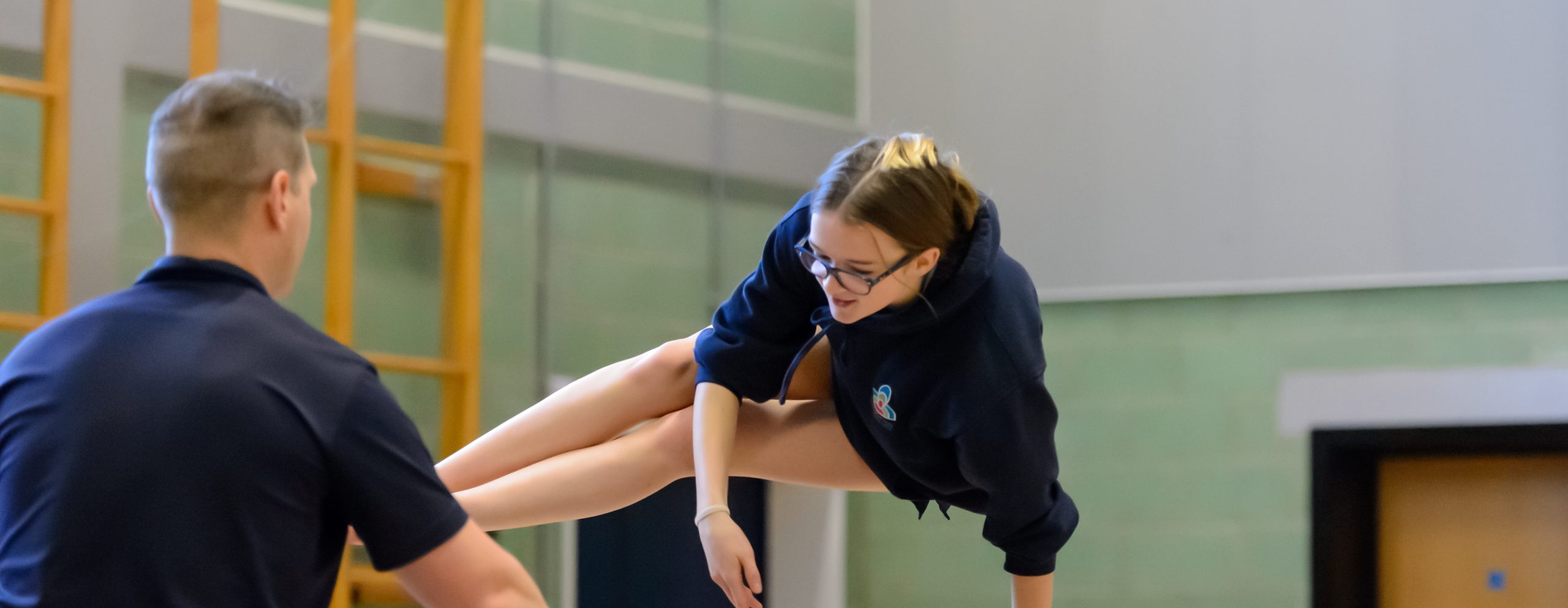
Women in Sport undertook a research project to support this need and investigate what influences girls aged 11 to 13 years to keep taking part in gymnastics.
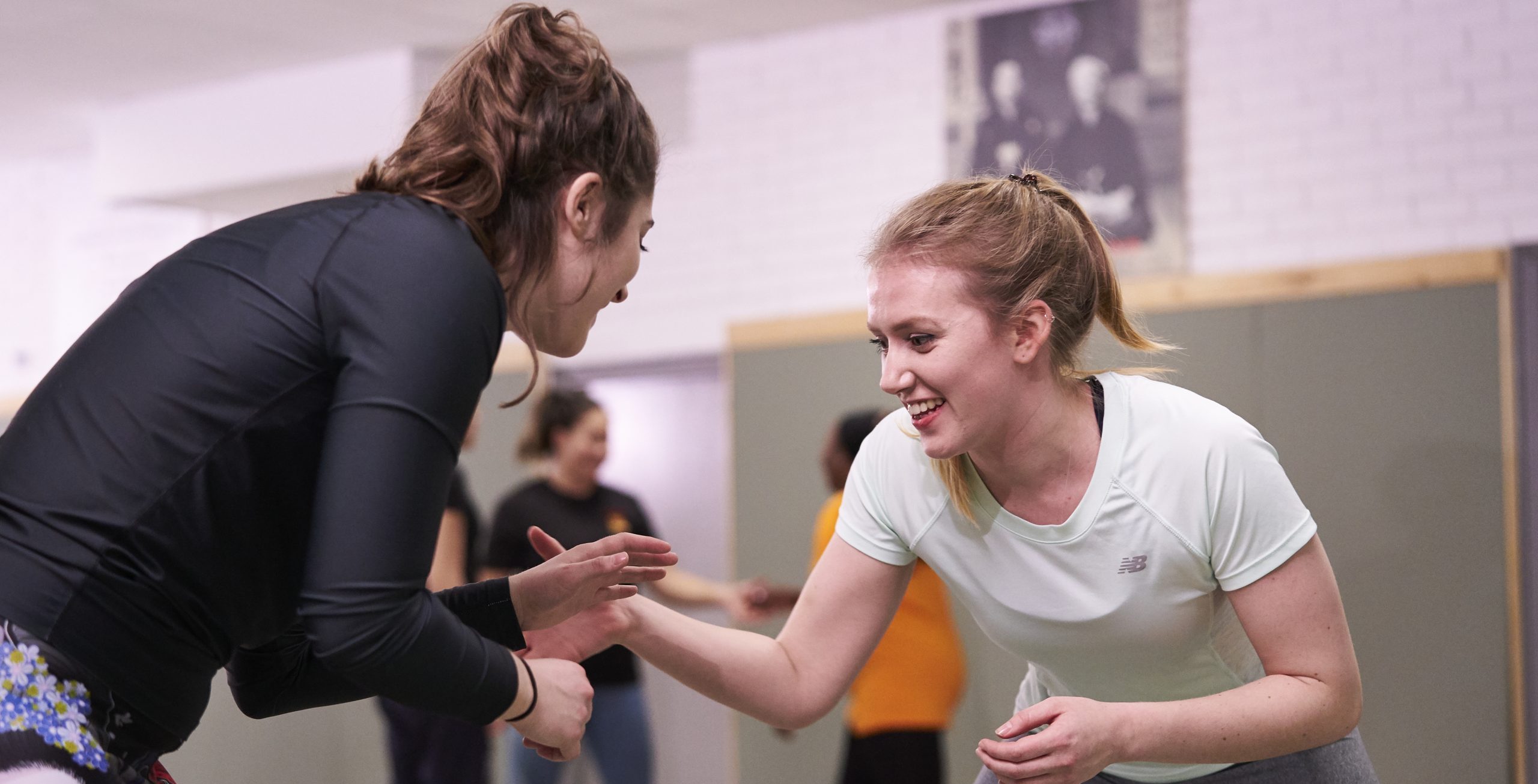
Women exercise significantly less than men in Northern Ireland; 45% of women have participated in sport in the previous 12 months, as opposed to 59% of men.
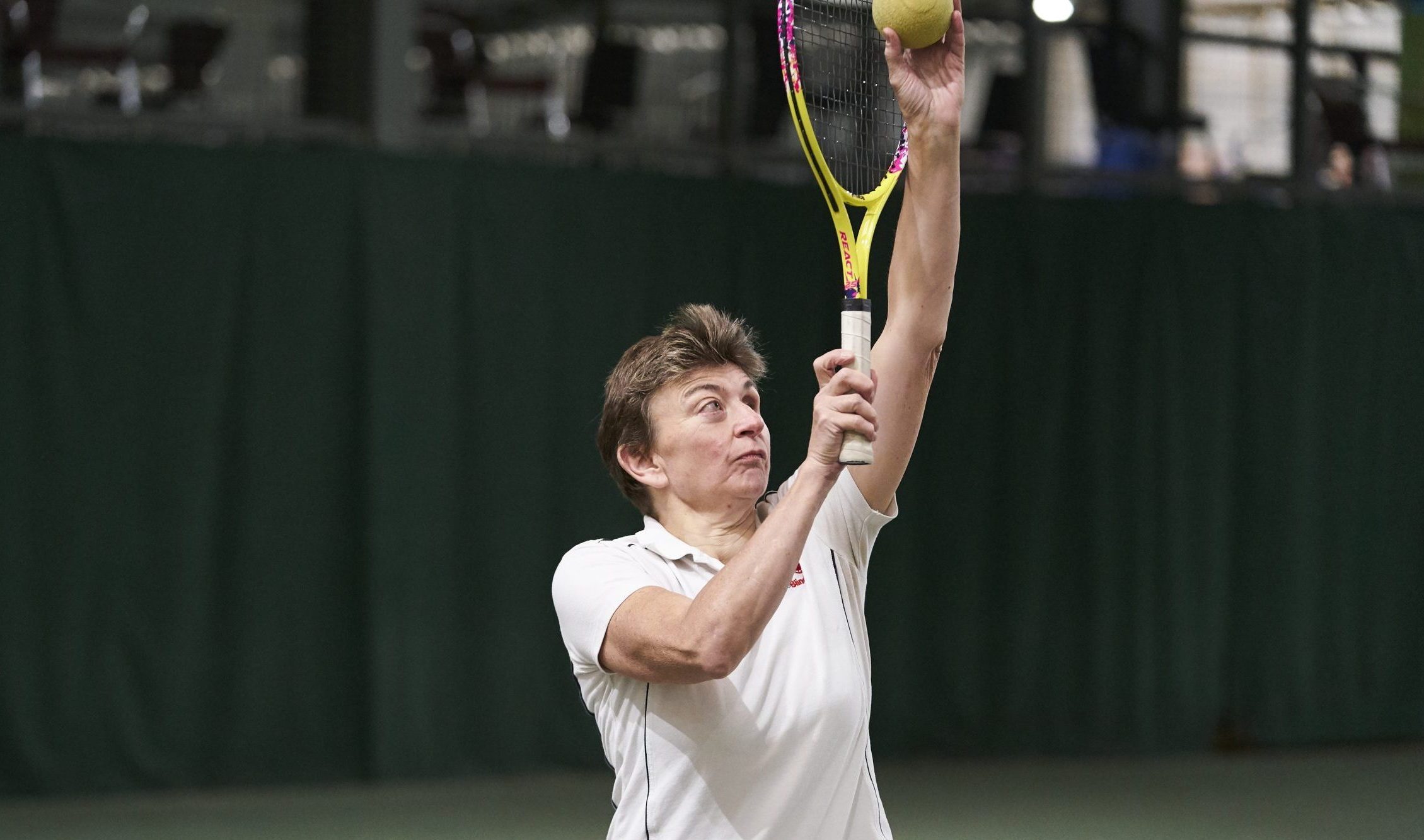
Women with a visual impairment were chosen as the focus of this exploratory research for two reasons. Firstly, sports participation is low among people with a visual impairment, even compared with other disability groups.

There are a number of cycling challenge rides across the country each year and we know that women who participate in these cycle more regularly each week.
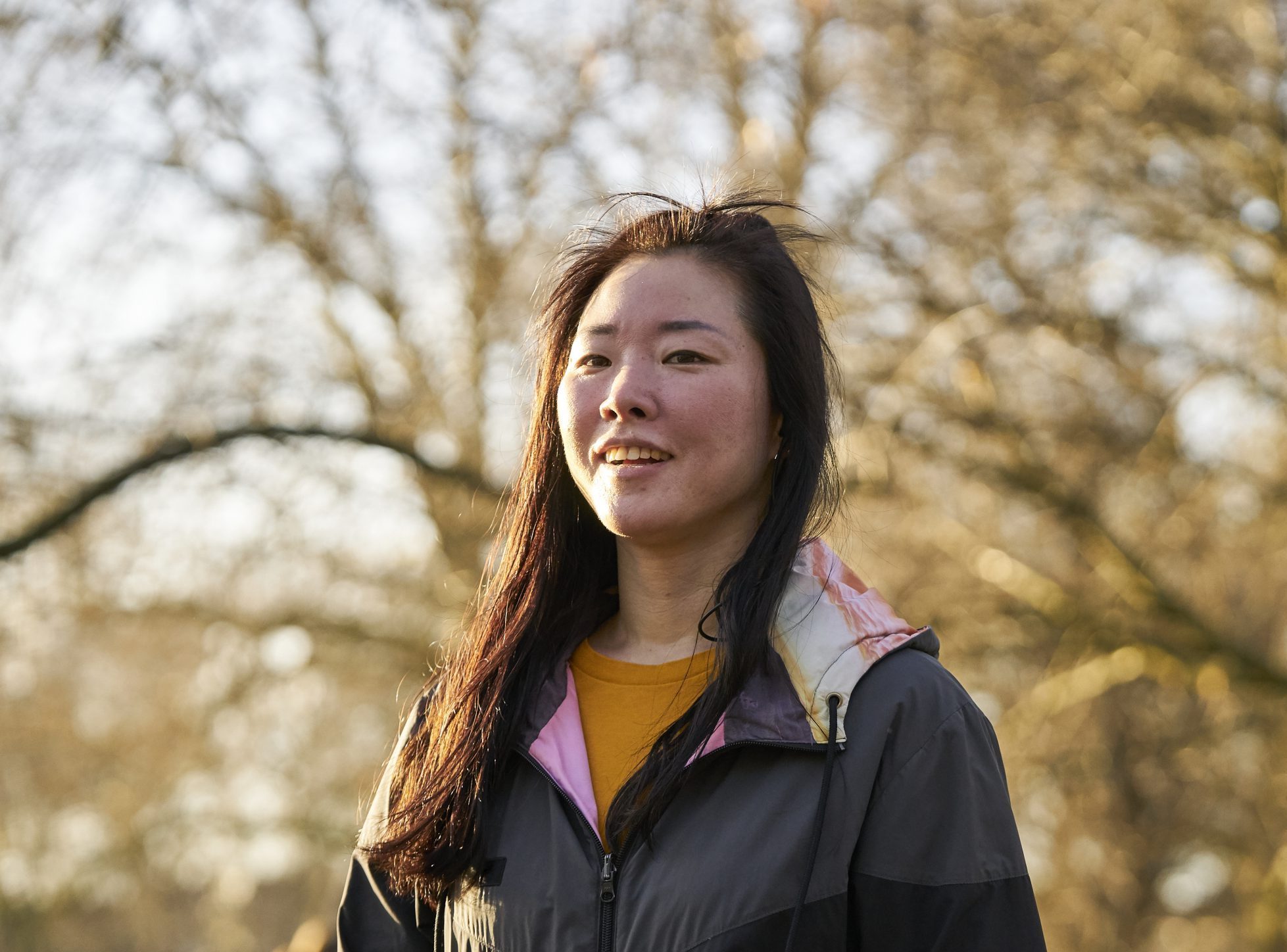
A digital campaign was created to activate Sport England’s ‘This Girl Can’ campaign around running, to include content that would inspire, inform and engage women aged 14 to 40.
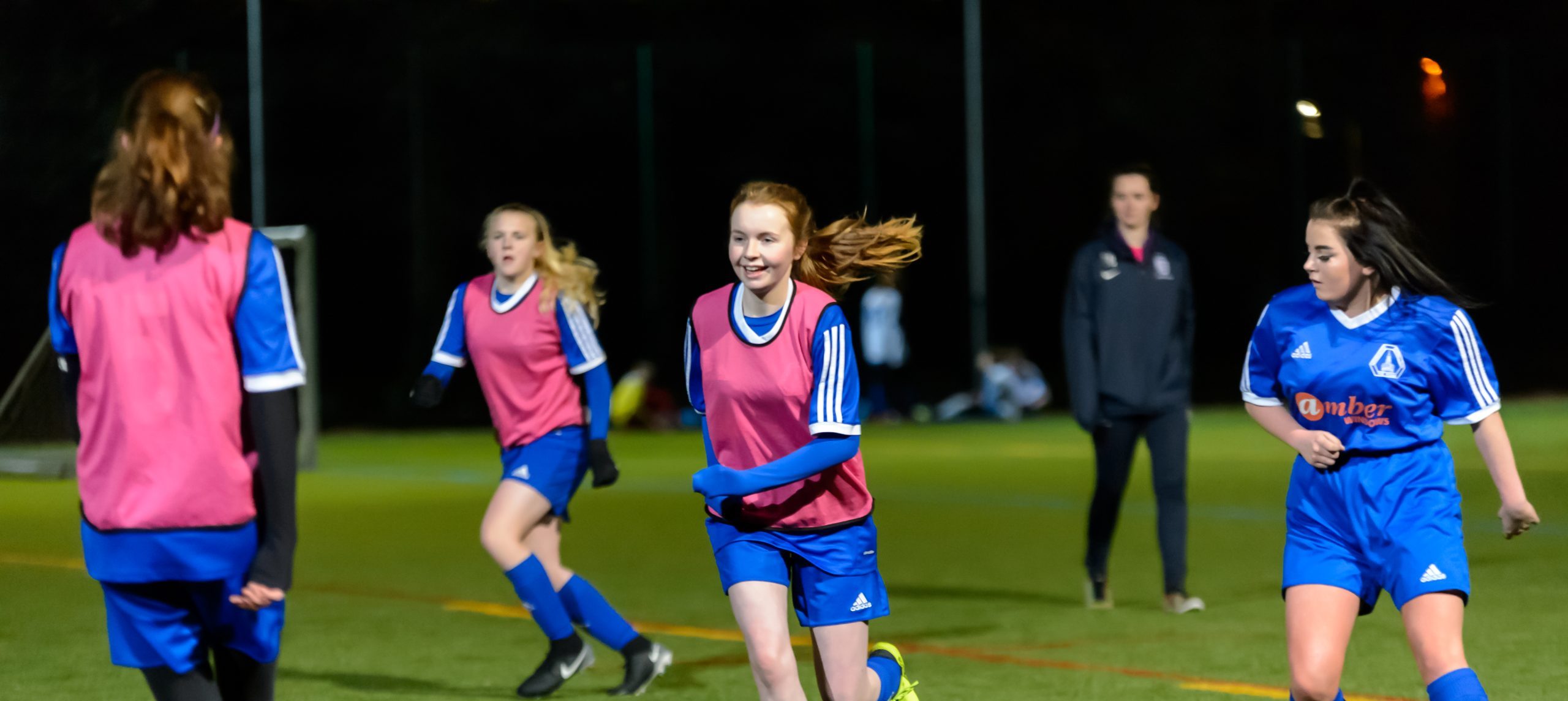
Through interviews with sponsors, broadcasters and organisers of four major women’s sports we reveal the details behind some exciting developments made in the last few years.

Female representation on the boards of National Governing Bodies (NGBs) and other sports organisations that are funded and supported by Sport England and UK Sport, is finally averaging 30%.
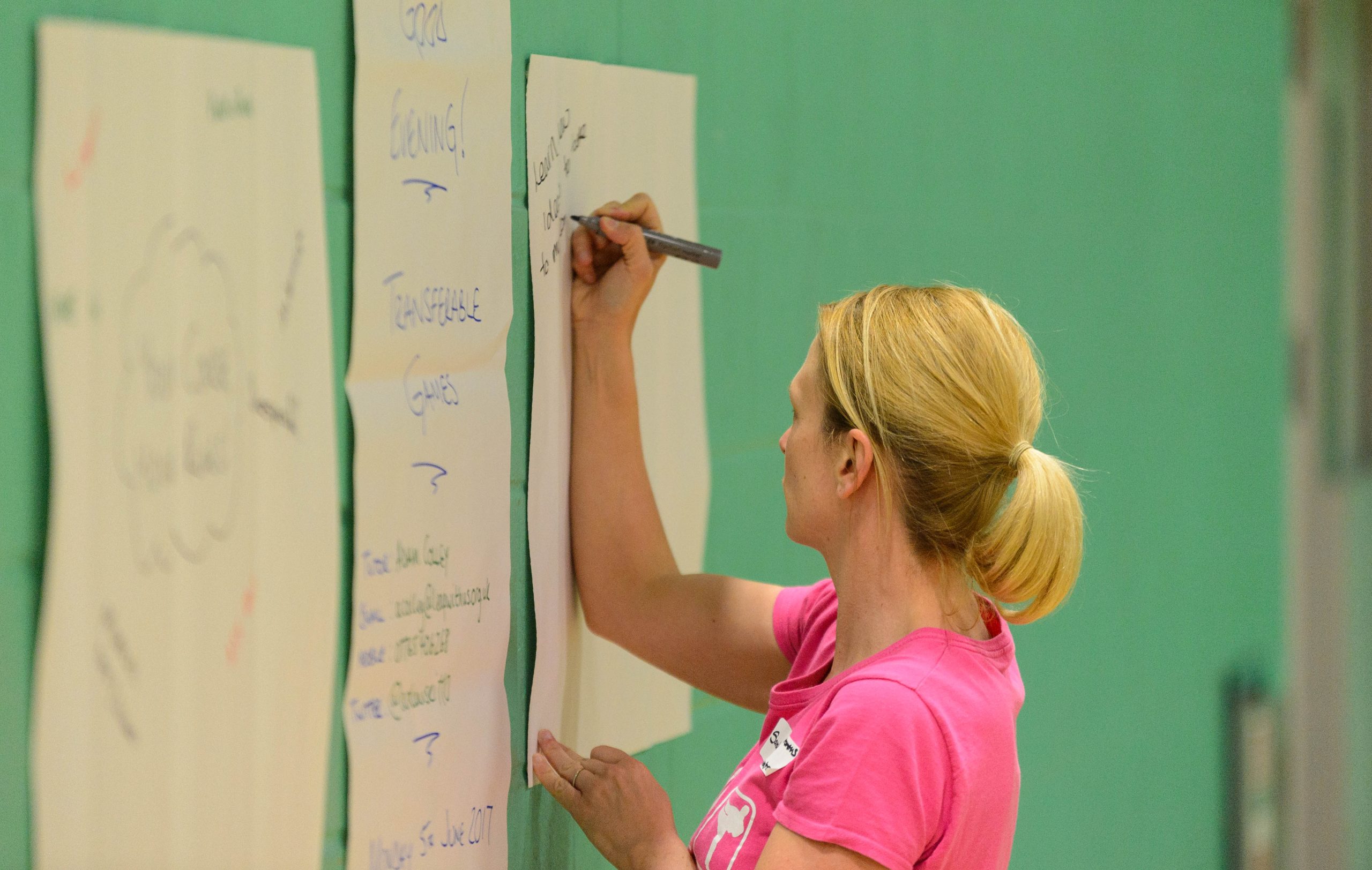
Our proposed Checklist for Change lays out the core elements to which sports organisations should aspire, to build upon successes so far, and promote the benefits of having more women on boards and at executive level.